Marine UNAV Control, Withdrawal & Signalling Devices for Shipboard Applications Overview: What Is Marine UNAV? Marine UNAV control, withdrawal and signalling devices are shipboard electrical…
Marine UNAV Control, Withdrawal & Signalling Devices for Shipboard Applications
Overview: What Is Marine UNAV?
Marine UNAV control, withdrawal and signalling devices are shipboard electrical interfaces developed under the NAVE UNAV standard. UNAV (Naval Unification) was established to standardise control & signalling devices across vessels, ensuring consistency, reliability, and interchangeability on both merchant ships and military ships.
These devices remain widely used where rugged construction, mechanical reliability, and long service life are critical.
UNAV Control Devices on Board Ships
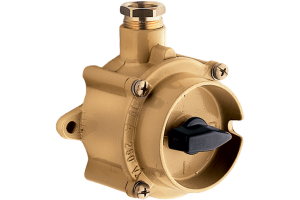
UNAV control devices are used for the direct control of shipboard machinery and auxiliary systems. They provide operators with immediate, tactile control without reliance on software or networked systems.
Typical UNAV control applications include:
-
Control of pumps, motors, and fans
-
Control of valves and actuators
-
Control of auxiliary machinery
-
Local control stations in engine rooms
UNAV control devices are commonly installed in engine rooms, machinery spaces, and technical compartments.
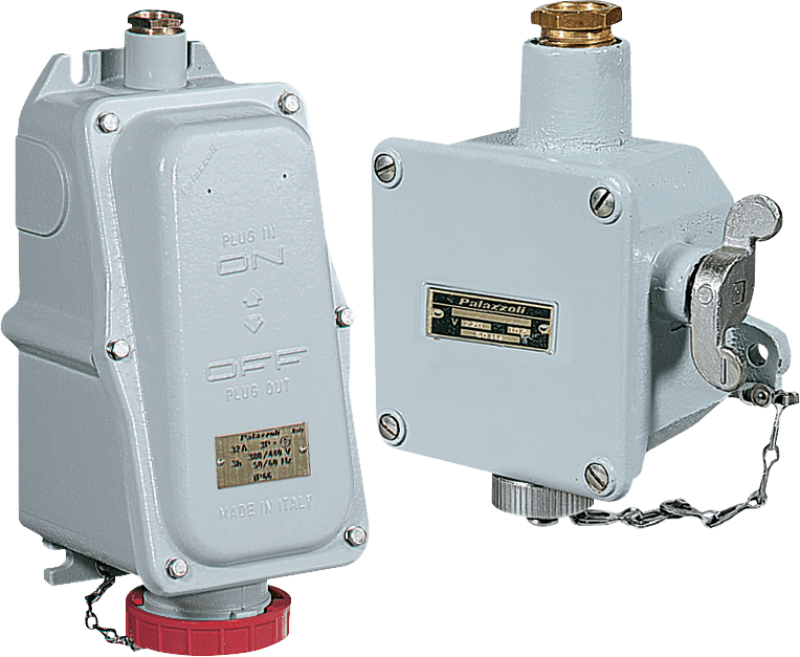
Withdrawal Devices & Emergency Control
UNAV withdrawal devices enable fast and reliable shutdown in unsafe conditions. These devices are designed to meet strict plant requirements on board ships and are used for:
-
Emergency stop functions
-
Manual withdrawal of power
-
Machinery isolation and shutdown
Clear actuation and mechanical feedback are essential for emergency response in high-risk marine environments.
UNAV Signalling Devices
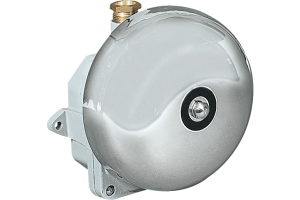
UNAV signalling devices provide visual and audible indication of system status and fault conditions. These devices support:
-
Operating status indication
-
Alarm and fault signalling
-
Emergency condition alerts
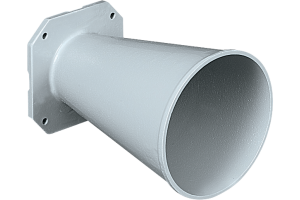
Signalling devices are designed to remain visible and audible in noisy engine rooms and harsh shipboard environments.
Construction & Materials
Marine UNAV devices are defined by heavy-duty construction using materials selected for marine service life, including:
-
Solid die-cast brass and die-cast brass housings
-
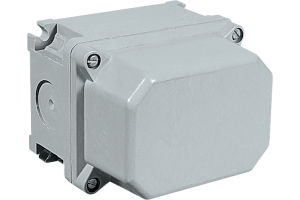
Thermosetting GRP enclosures
-
Marine grey external finishes
-
Corrosion-resistant internal components
This construction ensures durability under vibration, humidity, and salt-laden air.
IP67 Rated & Watertight Execution
UNAV control and signalling devices are typically supplied with:
-
IP67 rated protection
-
Fully watertight execution
-
Sealed cable entries using approved cable glands
-
Installation via marine-rated junction boxes
This level of protection ensures reliable operation during washdown, spray, and accidental water exposure.
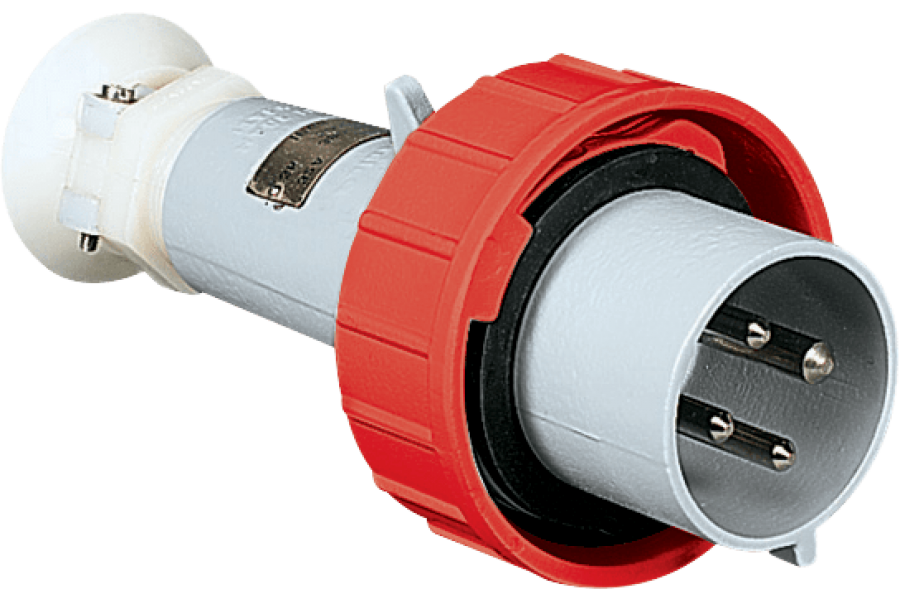
Installation & Integration
Correct installation is essential to long-term reliability. UNAV systems integrate with:
-
Marine electrical distribution systems
-
Junction boxes and control panels
-
Cable glands designed for shipboard use
Their standardised design simplifies maintenance and replacement across fleets.
UNAV Models & References
Commonly referenced UNAV device standards include:
-
NAVE UNAV 2169
-
UNAV 1948
These references are still used in marine documentation, spare parts lists, and refit projects.
Merchant Ships & Military Ships
UNAV control, withdrawal and signalling devices are used across:
-
Merchant ships and cargo vessels
-
Military ships and naval platforms
-
Auxiliary and support vessels
Their standardised layout improves crew familiarity and reduces training complexity when moving between vessels.
Compliance & Maritime Context
UNAV devices support shipboard safety and operational consistency in line with guidance from the International Maritime Organization and long-established marine electrical practices within the Merchant Navy.
Their continued use reflects proven acceptance rather than trend-driven adoption.
Why UNAV Devices Are Still Specified
Marine UNAV devices remain in service because they offer:
-
Mechanical reliability over electronics
-
Naval unification compatibility
-
Simple, predictable operation
-
Long service life in harsh conditions
In critical marine environments, simplicity equals reliability.
Marine UNAV control, withdrawal and signalling devices remain a trusted solution for shipboard control and safety. Built with solid die-cast brass or thermosetting GRP, sealed to IP67 rated watertight execution, and aligned with NAVE UNAV naval unification, these devices continue to serve both merchant and military fleets worldwide.
When reliability, standardisation, and durability matter, UNAV remains the right choice.