Overview of Marine LED Floodlights Marine LED floodlights are high-performance LED lighting fixtures designed for area lighting in harsh coastal and marine environments. Compared to…
Overview of Marine LED Floodlights
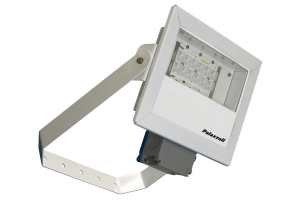
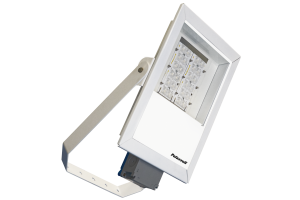
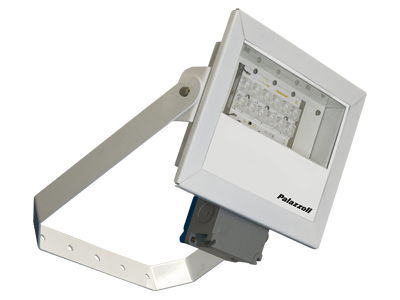
Marine LED floodlights are high-performance LED lighting fixtures designed for area lighting in harsh coastal and marine environments. Compared to standard flood lights, marine LED floodlights use corrosion-resistant materials, sealed optics, and reinforced housings to withstand salt spray, UV exposure, moisture, and mechanical impact.
They are commonly specified for marinas, ports, wharves, docks, coastal facilities, surveillance lighting, sports field lighting, warehouse flood lights, and façade lighting near the ocean.
LED Floodlights vs Conventional Flood Light Technology
Traditional halogen and metal-halide flood lights suffer from short lamp life, frequent lamp replacement, and poor energy efficiency. LED floodlights eliminate these issues by using solid-state LED chips with long average lamp life and high luminous flux.
Key advantages of LED flood light technology include:
-
Higher lumens per watt
-
Instant full brightness
-
Lower heat output
-
Reduced maintenance
-
Improved light outputs over time
Light Output, Lumens & Luminous Flux
Light output is measured in lumens (luminous flux). Marine LED floodlights are available across a wide range of outputs, from compact 20–30 watt units (1700–2850 lm) to high-power area lighting systems exceeding 30,000 lumens.
Typical performance metrics include:
-
Luminous Flux: 1700 lm – 2850 lm (small units)
-
Efficacy: 85 lm/W and higher
-
Stable output across operating temperature ranges
Correct lumen selection ensures effective area lighting without glare or wasted energy.
Beam Angle & Beam Spread Options
Beam angle directly affects coverage. Marine LED floodlights are available with:
-
Narrow beam for focused illumination
-
Wider beam for large area lighting
-
Wide distribution optics for docks and walkways
Beam spread and beam angle selection is critical for marina layouts, wharf spacing, and mounting height.
Colour Temperature & Light Quality
Marine LED floodlights are offered in multiple colour temperature options to suit operational and aesthetic requirements:
-
Warm White (3000K)
-
Neutral White (4000K)
-
Cool White / Daylight (5700K – 6500K)
Neutral white (4000K) is commonly specified for marine industry applications as it balances visibility and glare control. High-quality units maintain CRI >80 for accurate colour rendering.
Housing Materials & Construction
Marine LED floodlights are engineered using durable materials such as:
-
Material Aluminium housings (die-cast or extruded)
-
Marine-grade aluminium with UV-resistant powder coating
-
Steel bracket mounting systems
-
Tempered glass or glass diffuser lenses
-
Neoprene gasket seals
These materials prevent corrosion, protect internal LED modules, and extend service life in coastal installations.
IP Rating, Waterproofing & Impact Resistance
Environmental protection is critical in marine settings. Marine LED floodlights typically feature:
-
IP65 waterproof or IP65 weather rated designs
-
IP66 waterproof options for direct exposure
-
IK10 shockproof or high impact rating housings
-
UV resistant external components
High IP rating and impact energy resistance reduce failure from water ingress and mechanical damage.
Motion Sensors, Controls & Smart Features
Many marine LED floodlights support integrated or external controls, including:
-
Motion sensor activation
-
Remote control operation
-
Photocell dusk-to-dawn switching
-
Wireless technology integration
-
Compatibility with smart devices and automation services
These features reduce power consumption while improving safety and surveillance lighting effectiveness.
Electrical Specifications & Power Supply
Typical electrical characteristics include:
-
Mains voltage 220–240V
-
Integrated power cable and driver
-
Surge protection for coastal installations
-
Stable operation from –20°C to +60°C
LED floodlights maintain consistent performance across wide temperature ranges common in marine environments.
Applications in Marine & Industrial Environments
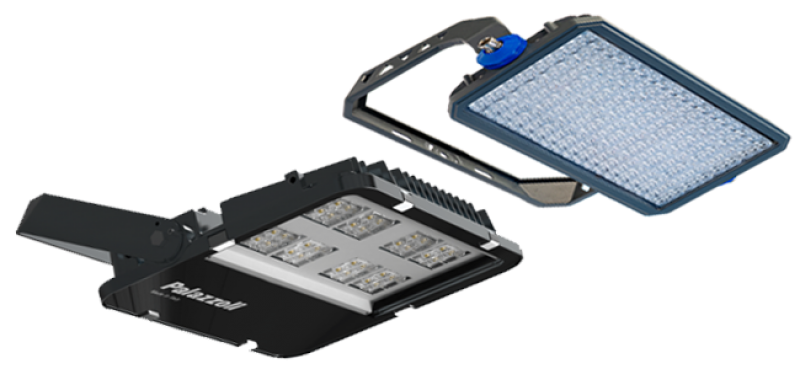
Marine LED floodlights are widely used for:
-
Marina and dock lighting
-
Wharf and harbour lighting
-
Sports field floodlights near coastal zones
-
Warehouse flood lights
-
Surveillance lighting and security facilities
-
Industrial marine equipment zones
Their versatility makes them suitable for both marine and industrial lighting projects.
Selecting the Right Marine LED Floodlight
Key factors in the decision process include:
-
Required luminous flux and beam angle
-
Colour temperature preference
-
IP rating and impact rating
-
Housing material and corrosion resistance
-
Control options such as motion sensor or remote control
Choosing the correct specification avoids over-illumination, glare issues, and premature failure.
Marine LED floodlights are purpose-built LED lighting solutions for demanding coastal environments. With high light outputs, configurable beam angles, durable aluminium housings, and IP65–IP66 waterproof protection, they deliver reliable area lighting with minimal maintenance.
For marine, industrial, and waterfront projects, marine-grade LED flood lighting is not optional—it is essential infrastructure.