Marine Container Sockets for Reefer and Shipboard Power Systems Marine container sockets are heavy-duty connection points designed to deliver standardized power for reefer containers across…
Marine Container Sockets for Reefer and Shipboard Power Systems
Marine container sockets are heavy-duty connection points designed to deliver standardized power for reefer containers across ports, container terminals, and shipboard distribution areas. As part of complete container connection systems, they provide a reliable power source for refrigerated container sockets operating in demanding marine operations and maritime transportation environments.
Because these installations sit outdoors and are handled constantly, marine container sockets are built to cope with UV rays, salty atmosphere, and repeated mechanical loads—helping protect temperature-sensitive products through loading, storage, and transit.
Power Requirements for Refrigerated Container Sockets
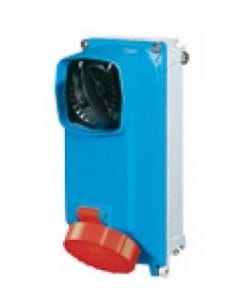
Refrigerated container power sockets are selected around the real-world power requirements of modern reefer equipment. In most installations, reefer container sockets supply Three Phase power for high-load refrigeration systems, commonly supporting 32 Amps and operating up to 440 Volt depending on the site supply.
This standardisation matters: it keeps connection practices consistent across mixed fleets, terminals, and shipboard systems, reducing errors and improving turnaround times.
IEC 60309-2 Interfaces, Reefer Plugs, and Standardized Power
Most marine container sockets are based on IEC 60309-2, using an industrial plug interface that supports repeatable mating in wet, harsh conditions. That’s why you’ll often see them paired with reefer plugs and reefer sockets, including Reefer Extension Plugs used when reach or positioning requires extra length.
A key advantage of IEC 60309-2 marine sockets is predictable engagement—clear pin geometry, defined rated currents, and safer connection outcomes when you’re dealing with frequent plug cycles and tight operational windows.
Switching and Protection: Circuit Breaker, Isolation, and Local Control
Because refrigerated container sockets carry continuous electrical load, protection and isolation are usually built into the design or added immediately upstream. Common arrangements include a circuit breaker for overcurrent protection, an isolator switch to safely disconnect the power supply, and in some cases an RCBO Protected Outlet where additional personnel protection is required.
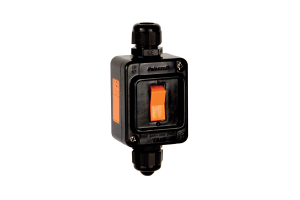
Certain shipboard or terminal setups may also use a Rotary Switch for local switching control, especially where operators need simple, robust operation without complex electronics.
Deck Sockets and Mounting Styles for Container Handling Zones
In practical marine operations, power outlets are often installed as deck sockets on vessels or in exposed terminal areas. To avoid interference with lifting gear and a container fastening device, many sites use container lashing flush sockets that sit low-profile and reduce snag hazards.
You’ll also see marine container sockets offered in formats such as Deck socket double arrangements for higher density, and variants designed around specific mounting methods—such as dovetail groove deck sockets or embedded deck styles—where repeatable positioning and mechanical protection are priorities. Maintaining standard distances and consistent alignment supports fast connection during high-throughput container movements.
IP Rating IP67 and Marine Materials Built for Exposure
For outdoor container yards and exposed decks, sealing is non-negotiable. Marine container sockets are commonly specified to IP Rating IP67 to protect against water and dust ingress, supporting long-term stability in harsh weather and washdown environments.
Housings are typically made from resistant material selected for corrosion performance. Depending on the installation, this can include stainless steel components, robust coatings, and mechanically strong construction where tensile strength is needed—particularly around mounting points and high-contact areas.
Earthing Safety: Earth Pin and Grounding Pin Integrity
Safe operation depends on correct earthing. Marine container sockets incorporate an earth pin and grounding pin to maintain reliable continuity between the container, the socket, and the power source. This reduces electrical risk and helps ensure stable operation for refrigerated container sockets, especially under wet conditions and metal-rich marine infrastructure.
Adaptability and Approvals in Marine Power Networks
Not every site supply matches every container requirement. Where infrastructure varies, a 3 Phase to single phase adapter may be used in controlled situations to bridge compatibility—though the safest approach is always selecting the correct socket configuration for the intended reefer equipment and rated currents.
For projects where formal acceptance is required, alignment with expectations from classification societies can matter. Depending on the vessel/operator requirements, some installations may specify approvals such as Lloyd’s Register Type Approval to support compliance and reduce procurement friction.
Reliable Marine Socket Systems for Containerised Power
When you combine IEC 60309-2 interfaces, IP67 sealing, robust switching/protection, and deck-ready mounting formats, marine container sockets deliver standardized power that holds up under real operating abuse. The outcome is simple: fewer connection issues, safer isolation during faults, and more reliable electrical supply for reefer containers carrying temperature-sensitive products.