Infrastructure Ventilation Systems: Controlling Air, Heat, and Risk Infrastructure ventilation systems exist to protect people, equipment, and operations. In tunnels, substations, industrial buildings, and underground…
Infrastructure Ventilation Systems: Controlling Air, Heat, and Risk
Infrastructure ventilation systems exist to protect people, equipment, and operations. In tunnels, substations, industrial buildings, and underground spaces, ventilation is about air quality, fire safety, fume extraction, and controlled air movement—not comfort.
This article covers how mechanical ventilation systems, industrial ventilation, and hybrid approaches are used across critical infrastructure.
What Defines an Infrastructure Ventilation System?
An infrastructure ventilation system is designed to actively manage:
- Air quality and indoor air quality
- Heat and humidity control
- Removal of carbon monoxide, dust, and fumes
- Smoke and heat during fire events
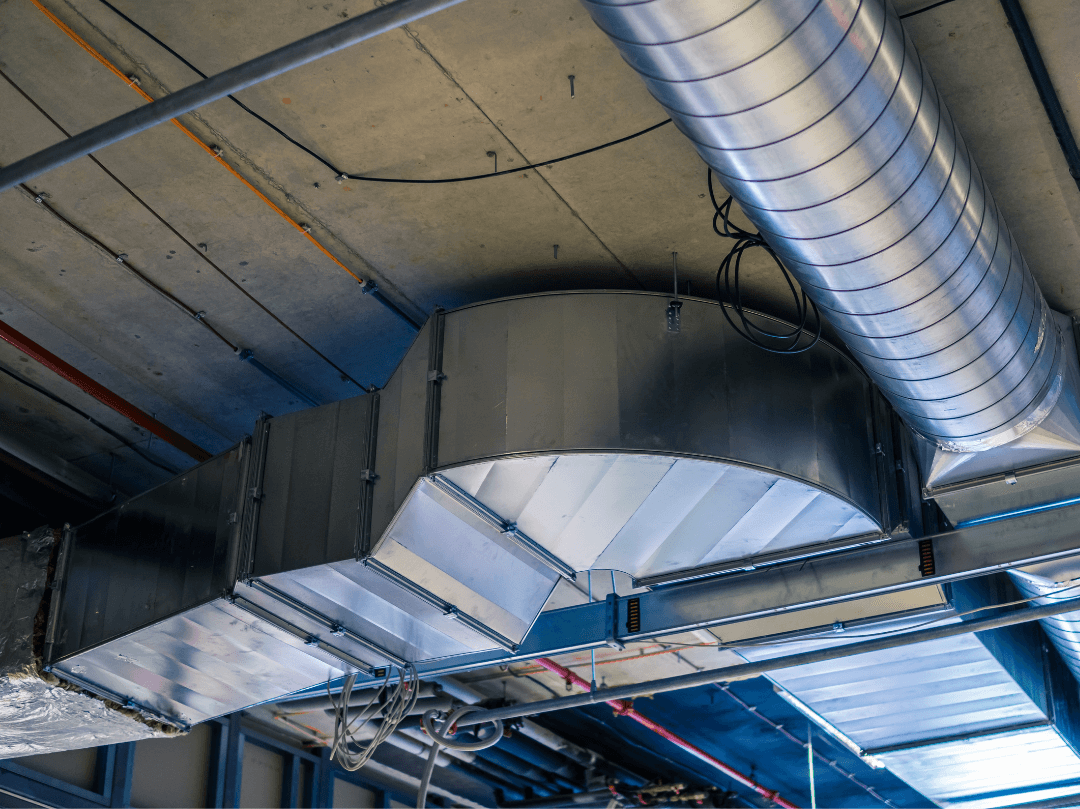
These systems typically rely on mechanical ventilation, supported by natural or passive elements where appropriate.
Mechanical vs Natural Ventilation Systems
Most infrastructure assets depend on mechanical ventilation systems due to reliability and predictability.
- Mechanical ventilation: Fans, ducting, filtration systems, and controls provide consistent airflow regardless of external conditions.
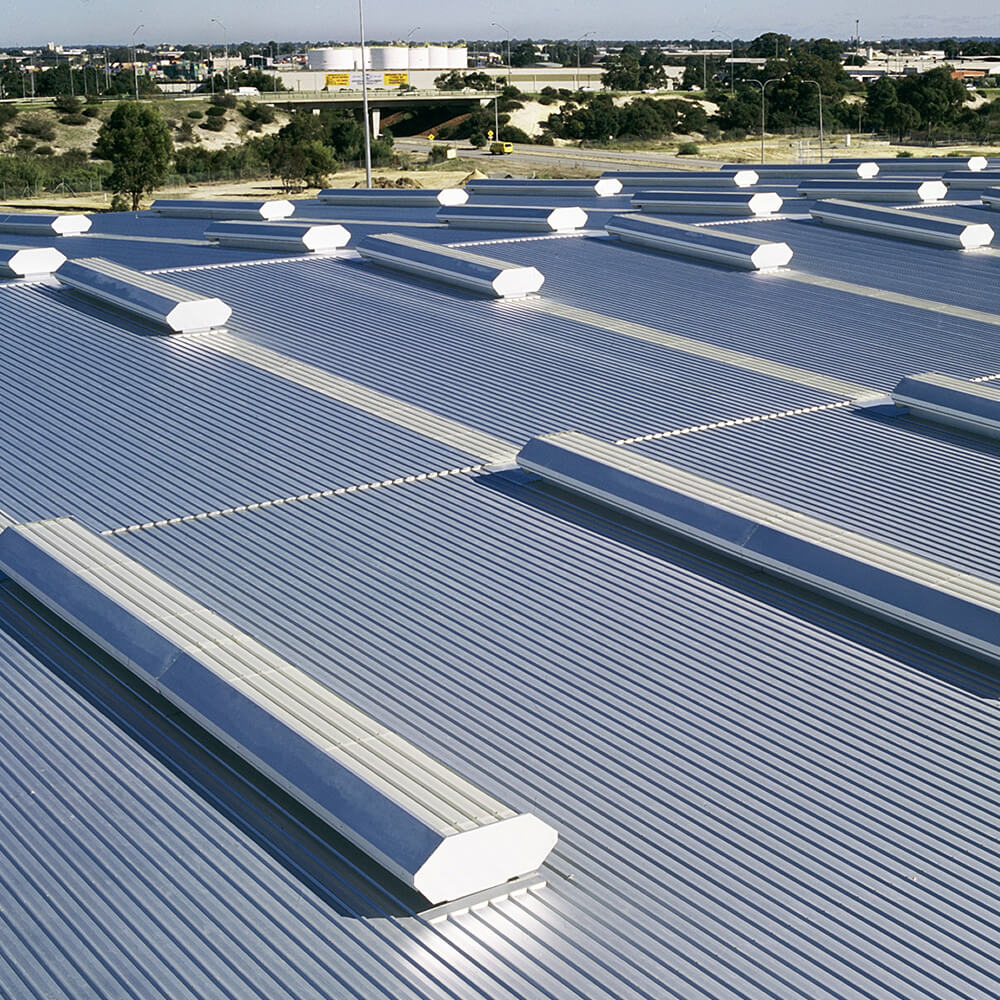
- Natural ventilation systems: Louvres and roof ventilators assist air exchange but are rarely sufficient alone.
- Hybrid ventilation: Combines mechanical systems with passive performance features to improve energy efficiency.
For critical sites, mechanical systems remain the backbone.
Industrial Ventilation & Fume Extraction
In industrial and utility environments, ventilation often includes:
- Industrial ventilation systems for continuous duty
- Fume extraction for welding, laser cutting, and process exhaust
- Dust and fume control using filtration and inertial separation
- Vehicle exhaust extraction in workshops and depots
Poor extraction directly impacts safety, compliance, and equipment life.
Fire Safety, Smoke & Emergency Venting
Ventilation plays a major role in fire safety:
- Smoke extraction maintains visibility and evacuation paths
- Heat venting protects building envelopes and structures
- Systems integrate with fire and smoke control services
Applications include underground car parks, tunnels, fire exit stairwells, and basements where smoke cannot naturally escape.
Key Applications Across Infrastructure
Infrastructure ventilation systems are widely used in:
- Road and rail tunnels
- Electrical substations and utilities
- Underground and basement car parks
- Industrial buildings and warehouses
- Manufacturing facilities and workshops
- Retail facilities and food service back-of-house areas
Each application has different airflow, filtration, and redundancy requirements.
Energy Efficiency & System Control
Modern infrastructure ventilation balances safety with operating cost.
- Energy efficiency is improved through demand-control ventilation
- Variable speed industrial fans adjust airflow to real conditions
- Integration with Building Management Systems (BMS) enables monitoring and alarms
Efficient systems reduce energy use without compromising safety margins.
Equipment & System Components
Typical infrastructure ventilation systems include:
- Industrial fans and air blower technology
- Exhaust duct systems and stainless steel ducting
- Filtration systems for dust, grease, or fumes
- Louvres, roof ventilator systems, and hybrid ventilators
- Sensors for carbon monoxide, humidity control, and airflow
Component selection is driven by duty cycle, environment, and compliance—not price.
Compliance & Engineering Considerations
Ventilation systems must align with:
- National Construction Code
- Relevant Australian Standards (e.g. AS 1668 series)
- OHS laws and fire safety requirements
Engineering services often include CFD modelling, fan selection software, pressure testing, and documented technical data sheets.
Infrastructure ventilation systems are safety-critical engineering assets. Whether managing air quality, extracting fumes, or controlling smoke during emergencies, they ensure infrastructure remains operational and compliant.
If a ventilation system can’t deliver controlled air movement, reliable mechanical performance, and fire-safe operation, it doesn’t belong in infrastructure.