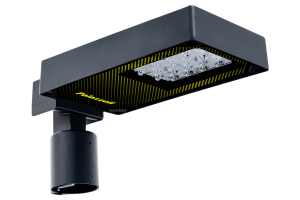
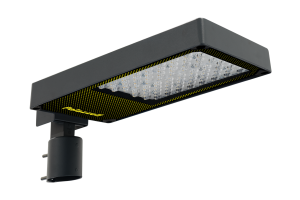
Infrastructure Pole-Top LED Light Fixtures: Complete Lighting Solutions for Roads and Outdoor Spaces Pole-top LED light fixtures—also referred to as post top lights, post lights,…
Infrastructure Pole-Top LED Light Fixtures: Complete Lighting Solutions for Roads and Outdoor Spaces
Pole-top LED light fixtures—also referred to as post top lights, post lights, or pole-top luminaires—are a critical part of modern infrastructure lighting solutions. They are engineered for road lighting, outdoor public assets, and commercial spaces, delivering reliable performance across demanding weather conditions and long operating cycles.
Unlike decorative or light for the house products, these fixtures are designed for large-scale outdoor applications where compliance, durability, and lighting design accuracy are mandatory.
Role of Pole-Top Luminaires in Lighting Design
In infrastructure projects, lighting design focuses on safety, uniformity, and long-term asset performance. Mounted on lamp posts, pole-mounted luminaires provide controlled illumination for:
-
Roads and transport corridors
-
Walkway lights and shared paths
-
Outdoor spaces and civic precincts
-
Commercial spaces and public car parks
These post top lighting solutions are selected to balance light output, glare control, and visual comfort.
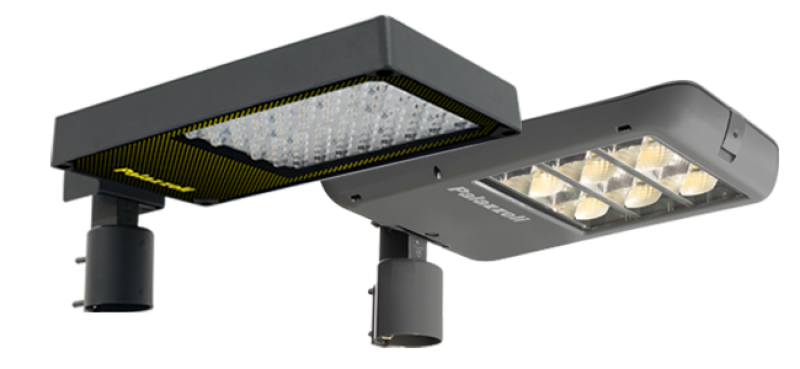
Road Lighting, Beam Optics & Photometric Data
For compliant road lighting, optical distribution is non-negotiable. Infrastructure pole-top fixtures typically support:
-
Type III optics for roadway edges
-
Type IV distributions for perimeters and car parks
-
Type V optics for open outdoor spaces
Verified photometric data ensures correct spacing, mounting height, and compliance with Australian Standards. Proper beam optics are essential to avoid over-lighting while maintaining safety.
Outdoor Durability & Environmental Protection
Pole-top LED fixtures are exposed year-round, so durability is critical. Typical infrastructure specifications include:
-
IP66 rating and IP66 weatherproof construction
-
High impact resistance such as IK09 impact rating
-
Die-cast aluminium housings
-
Impact-resistant PC lenses for outdoor post lights
These features ensure reliable operation in heat, rain, dust, and vandal-prone environments.
Colour Temperature, CRI & Visual Quality
Correct colour temperature improves visibility and user comfort in outdoor infrastructure.
-
Neutral white is commonly used for road lighting
-
Defined CRI 70 balances efficiency and clarity
-
Stable output supports long-term lighting technology performance
High CRI and consistent colour reduce eye strain and improve recognition in public areas.
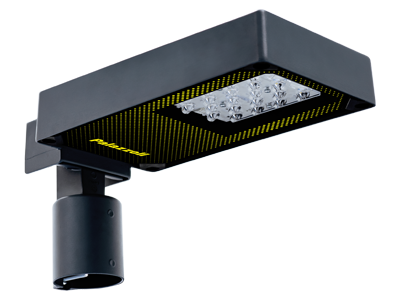
Electrical Engineering, Power & Control
From an electrical engineering perspective, infrastructure luminaires must be robust and adaptable. Typical features include:
-
High-efficiency power supplies
-
Integrated surge protection
-
DALI dimming via DALI dimmable drivers
-
Optional NEMA socket for controls
These enable advanced light control, energy optimisation, and integration with broader control systems.
Smart City & Connected-Ready Lighting Technology
Modern pole-top luminaires support Smart City initiatives:
-
Connected-ready smart luminaire options
-
Integration with central control systems
-
Scheduled dimming and monitoring
This transforms standard post lights into intelligent infrastructure assets without replacing hardware.
Applications Across Infrastructure and Commercial Spaces
Pole-top LED light fixtures are widely used in:
-
Road lighting and transport infrastructure
-
Outdoor spaces such as plazas and walkways
-
Commercial spaces and precinct developments
-
Municipal and civic environments
They are purpose-built for outdoor application, not residential spaces or garden posts.
Infrastructure pole-top LED light fixtures are engineered lighting solutions, not generic post lights. With compliant Type III, Type IV, or Type V optics, verified photometric data, IP66 weatherproof protection, controlled colour temperature, and smart-ready control systems, they form the backbone of modern road lighting and outdoor infrastructure.
If a pole-top luminaire lacks proper lighting design data, environmental protection, or compliance with Australian Standards, it doesn’t belong in infrastructure.