Industrial Control Systems Automation, Process Control, and Electrical Control for Modern Industry Industrial control systems (ICS) are the backbone of modern industrial operations. They coordinate…
Industrial Control Systems
Automation, Process Control, and Electrical Control for Modern Industry
Industrial control systems (ICS) are the backbone of modern industrial operations. They coordinate machines, processes, and electrical systems to ensure production runs safely, efficiently, and predictably—at scale.
From discrete manufacturing to continuous process industries, industrial control systems integrate hardware, software, sensors, and communications to manage real-world operations under changing conditions.
Where Industrial Control Systems Solve Real Problems
Industrial control systems are deployed wherever process stability, automation, and safety are critical, including:
- Manufacturing and production lines
- Process plants and utilities
- Oil & gas, chemical, and pharmaceutical facilities
- Food, beverage, and batch production environments
- Infrastructure and energy systems
Their role is to maintain control, reduce variability, and protect assets while maximising throughput and quality.
Industrial Automation & Machine Control
Industrial automation enables machines and processes to operate with minimal manual intervention. Automated control improves repeatability, reduces error, and increases output.
Typical automation applications include:
- Production and assembly lines
- Robotic automation cells
- Continuous and discrete manufacturing processes
Automation control allows industrial plants to scale production without sacrificing consistency or safety.
Industrial Process Control & Process Variables
Industrial process control systems regulate key process variables such as:
- Temperature
- Pressure
- Flow
- Level
- Chemical composition
Sensors and measurement devices feed real-time data into control systems, which calculate corrective actions to keep processes within defined limits. This directly impacts product quality, energy usage, and operational safety.
Process control systems are fundamental in:
- Chemical and petrochemical plants
- Oil and gas facilities
- Food, beverage, and pharmaceutical manufacturing
Control Strategies & Advanced Control Techniques
Effective control depends on selecting the right strategy for the process.
Common approaches include:
- Feedback control using closed-loop control
- PID control via PID controllers
- Feedforward control to handle disturbances
- Model predictive control (MPC) for complex, multivariable systems
These techniques allow systems to respond dynamically to changing production conditions.
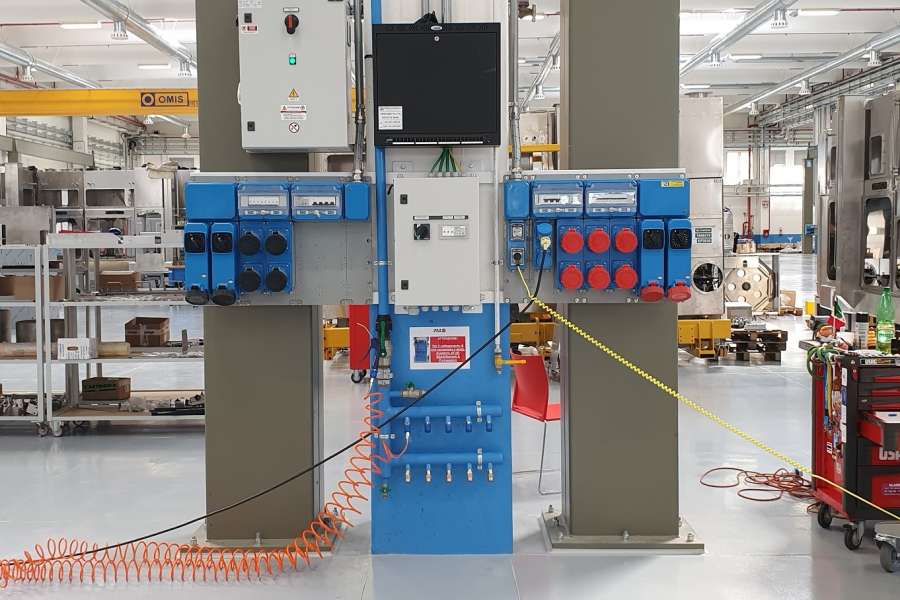
PLCs & Distributed Control Systems (DCS)
Programmable Logic Controllers (PLCs) are the foundation of most machine and process control systems. They execute logic, manage interlocks, and control equipment in real time.
For large-scale plants, Distributed Control Systems (DCS) distribute control across multiple controllers to improve reliability, availability, and scalability.
Both PLC and DCS platforms support:
- Real-time control
- Equipment and process automation
- Integration with supervisory and monitoring systems
SCADA, HMI & Supervisory Control
SCADA systems provide plant-wide visibility and supervisory control. They collect data from controllers, manage alarms, and support operator decision-making.
Operators interact through HMI panels and user interfaces, which display:
- Process status
- Alarms and events
- Performance metrics
- Production and system diagnostics
Clear visibility is essential for safe and efficient operation.
Electrical Control & Power Management
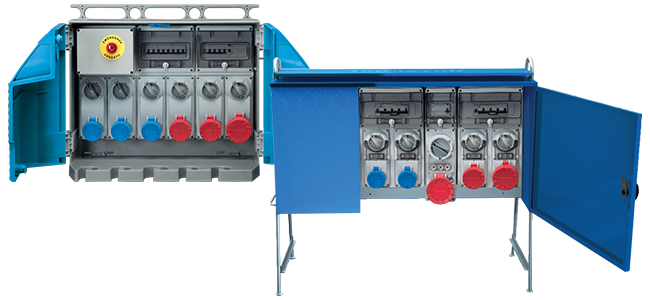
Industrial control systems also manage electrical control, including motors, drives, and auxiliary power systems.
Electrical control supports:
- Stable plant operation
- Integration between automation and power systems
- Reduced energy usage and operating costs
Reliable electrical control protects both equipment and control infrastructure.
Batch Control & Production Management
Batch control systems are used where production follows defined recipes and sequences.
They improve:
- Batch consistency
- Raw material control
- Traceability and compliance
Batch control is common in chemical, pharmaceutical, and food processing industries and integrates closely with PLC, DCS, and MES layers.
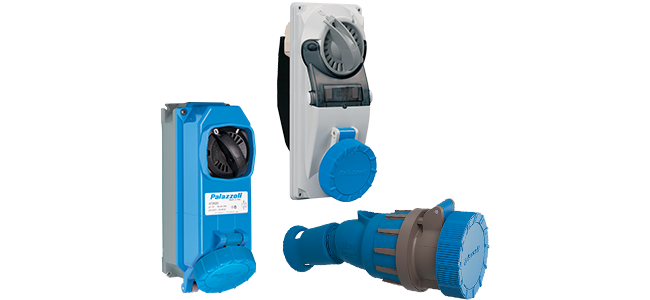
Connectivity, Data & Smart Manufacturing
Modern control systems rely on robust industrial networks to exchange data between devices, controllers, and supervisory systems.
This connectivity enables:
- Diagnostics and performance monitoring
- Data-driven optimisation
- Integration with analytics and reporting systems
Smart manufacturing builds on core control systems using data, analytics, and optimisation—without replacing proven control principles.
Safety, Security & Compliance
Industrial control systems must meet strict safety, security, and regulatory requirements.
Key considerations include:
- Alarm management and safety protocols
- Industrial cybersecurity
- System testing, validation, and documentation
- Compliance with industry regulations and standards
A well-designed control system protects people, equipment, and the environment.
Engineer-Focused Selection Guide
When specifying an industrial control system, engineers should assess:
- Process type (discrete, continuous, batch)
- Control platform (PLC vs DCS)
- Required control strategies (PID, MPC, etc.)
- Integration needs (SCADA, HMI, MES)
- Electrical control requirements (motors, drives, power)
- Network architecture and cybersecurity
- Safety, redundancy, and compliance requirements
If control architecture, scalability, or safety integration is unclear, the system will not meet long-term operational needs.
Control Systems That Enable Modern Industry
Industrial control systems are engineered solutions, not standalone products.
When properly designed and integrated, they deliver stable processes, higher efficiency, improved quality, lower energy usage, and safer operations across modern industry.
Control systems don’t just run plants—they make them viable.