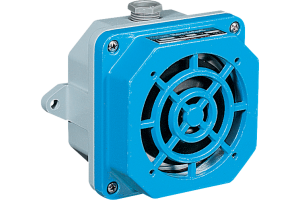
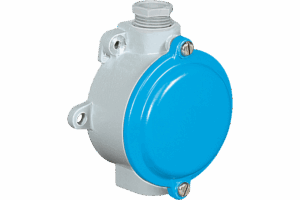
Electrical Control and Protection in Industrial Electrical Systems Electrical control and protection is fundamental to the safe and reliable operation of modern electrical systems across…
Electrical Control and Protection in Industrial Electrical Systems
Electrical control and protection is fundamental to the safe and reliable operation of modern electrical systems across industrial environments. In complex electrical installations, control and protection devices manage power flow, isolate faults, and reduce exposure to electrical hazards associated with live circuits, overloads, and abnormal operating conditions.
Across manufacturing plants, infrastructure projects, and processing facilities, control and protection ensures safe operation of industrial machinery while supporting long-term system reliability.
Circuit Breakers and Circuit Protection Devices
A circuit breaker is one of the most critical protection devices used in industrial power systems. Circuit breakers automatically interrupt fault currents to protect wiring systems, equipment, and personnel.
In industrial applications, circuit breakers operate alongside:
- Circuit protection devices
- Overcurrent protection devices
- Protective devices designed to prevent fire, equipment damage, and unsafe conditions
Power circuit breakers are commonly used where higher fault levels and continuous operation are expected.
Control Panels and Industrial Control Systems
Control panels and industrial control panels form the core of industrial control architecture. These panels house switching, protection, and monitoring components that interface directly with electrical control systems and industrial machinery.
Typical control panels integrate:
- Circuit breakers and protection devices
- Control electronics and wiring systems
- Electrical bus arrangements for structured power distribution
Well-designed control panels improve accessibility, maintainability, and system protection.
Industrial Ethernet Switches and Automation Integration
Modern industrial environments rely heavily on communication between control devices. Industrial Ethernet switches enable reliable networking between programmable logic controllers, safety PLCs, and distributed control electronics.
These switches support:
- Automatic control solutions
- Data exchange in harsh environments
- Reliable operation of industrial machinery
Industrial Ethernet switches are now standard in automated electrical installations where uptime and system protection are critical.
Residual Current Devices and Electrical Hazard Control
Residual Current Devices (RCDs) are essential protection devices used to reduce the risk of electric shock and fire. By detecting earth leakage, RCDs disconnect supply before dangerous fault currents persist.
RCDs are commonly installed within control panels and power distribution units as part of broader system protection strategies designed to control electrical hazards in live circuits.
Surge Protection Devices and Power System Stability
Industrial power systems are exposed to transient overvoltages caused by switching events and surge current. Surge protection devices limit these events, protecting sensitive equipment and improving power system stability.
Effective surge protection helps:
- Reduce equipment failure
- Minimise voltage drop
- Extend the life of electrical installations
Surge protection is increasingly important in electrical power systems supporting automation and electronic control.
Control Measures, Isolation, and Emergency Stop Functions
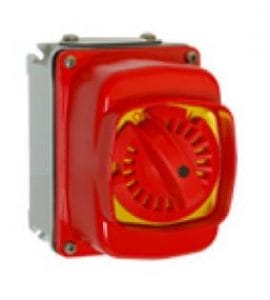
Control measures are engineered solutions used to reduce electrical risk. These include electrical isolation, automatic disconnection, and safe shutdown functions.
Key safety elements include:
- Electrical isolation switches
- Emergency stop functions on industrial machinery
- Structured isolation procedures for maintenance
While personal protective equipment supports safe work practices, engineered control and protection remains the primary safeguard.
Protective Relays, Electromechanical Relays, and Power Relays
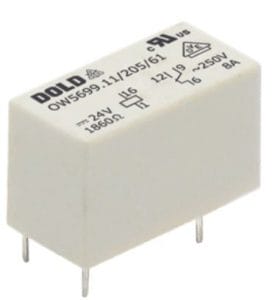
Protective relays, electromechanical relays, and power relays play a vital role in detecting abnormal operating conditions and initiating protective action.
Relay-based protection supports:
- Overcurrent detection
- Fault isolation
- Protection of electrical systems and equipment
These devices remain widely used in industrial control panels due to their reliability and simplicity.
Industrial Machinery, HVAC, and Auxiliary Systems
Control and protection equipment is essential across a wide range of industrial applications, including:
- Industrial machinery
- HVAC systems
- Lighting systems
- Power distribution units supporting auxiliary loads
Across these applications, control and protection ensures safe operation, fault isolation, and compliance with industrial safety expectations.
Protection of Persons and Property
The ultimate goal of electrical control and protection is the protection of persons and property. By combining circuit breakers, protection devices, control panels, and engineered safety measures, industrial electrical systems reduce risk while maintaining operational efficiency.
Effective control and protection strategies support:
- Reduced electrical hazards
- Improved system reliability
- Safer electrical installations
Why Electrical Control and Protection Matters
From circuit breakers and residual current devices to industrial Ethernet switches, control panels, and surge protection, control and protection is essential for safe, compliant, and efficient industrial operation.
A robust control and protection approach:
- Safeguards electrical systems
- Protects industrial machinery
- Supports power system stability
- Enables reliable automated operation
Engineer-Focused Selection Guide
When specifying industrial control and protection, confirm:
-
Fault levels & breaking capacity (short-circuit ratings)
-
Protection coordination (selectivity and discrimination)
-
RCD type and sensitivity for the application
-
Surge environment and SPD class
-
Panel architecture and space/thermal constraints
-
Automation networking requirements (industrial Ethernet)
-
Compliance with applicable standards and site rules
If protection isn’t coordinated or isolation isn’t engineered, risk increases.
Built to Protect People, Assets & Uptime
Industrial control and protection are engineered systems, not optional extras. Specified correctly, they deliver safer workplaces, protected equipment, stable power, and reliable automation—the essentials of modern industrial operation.