ATEX Junction Boxes for Hazardous Areas Certified Electrical Protection for Explosive Atmospheres Electrical systems in hazardous areas must eliminate ignition risk while maintaining long-term reliability.…
ATEX Junction Boxes for Hazardous Areas
Certified Electrical Protection for Explosive Atmospheres
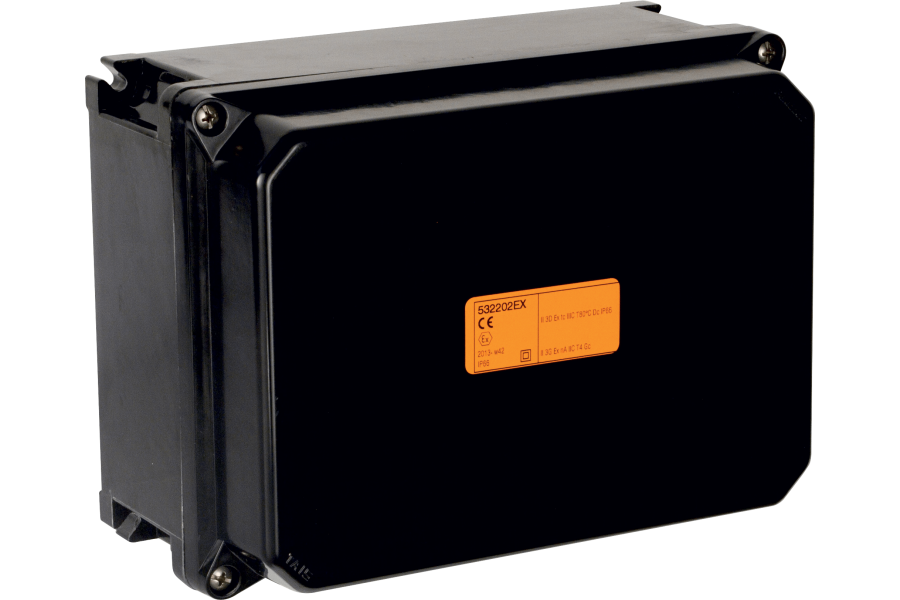
Electrical systems in hazardous areas must eliminate ignition risk while maintaining long-term reliability. ATEX junction boxes provide certified protection for electrical connections in environments where flammable gas, vapours, or combustible dust may be present.
Used across oil & gas, chemical processing, manufacturing, utilities, and industrial infrastructure, these enclosures form a critical safety barrier—protecting circuits, maintaining ingress protection, and ensuring compliance with ATEX and IECEx requirements.
Where ATEX Junction Boxes Solve Critical Risks
ATEX junction boxes are specified where failure is not an option, including:
- Oil and gas facilities
- Chemical and pharmaceutical plants
- Food, grain, and dust-handling environments
- Industrial infrastructure and utilities
- Process plants and hazardous manufacturing zones
Their role is simple but critical: contain electrical terminations without becoming an ignition source.
Hazardous Area Zones & Protection Concepts
Correct selection starts with understanding the hazardous area classification.
Gas Hazard Zones
- Zone 1: Explosive atmospheres likely during normal operation
- Common protection concepts: Ex e (Increased Safety), Ex d (Flameproof)
- Zone 2: Explosive atmospheres unlikely and short-duration
- Equipment must still meet strict ATEX requirements
Dust Hazard Zones
- Zone 21: Combustible dust likely during normal operation
- Zone 22: Dust present infrequently or briefly
- Typical protection concepts: Ex tb / Ex tD
Each zone requires controlled surface temperature, certified enclosure design, and compliant cable entry methods.
Enclosure Materials & Environmental Protection
Material choice directly impacts lifespan and compliance.
Common ATEX junction box constructions include:
- 316L stainless steel for corrosion resistance and washdown environments
- Aluminium for reduced weight and thermal performance
- GRP (glass-reinforced polyester) for chemical resistance
Ingress protection is non-negotiable:
- IP66 minimum for most hazardous areas
- Options up to IP66–IP68 or NEMA 4X for severe environments
These ratings ensure reliable operation indoors and outdoors, even under washdown, dust, or heavy rain exposure.
Terminal Box Configurations & Internal Layout
Most ATEX junction boxes function as terminal boxes, offering:
- DIN-rail mounted terminal blocks
- Defined earthing points
- Clear conductor segregation
- Structured internal layouts
This improves installation quality, inspection access, and maintenance, without compromising explosion protection across Zone 1, Zone 2, Zone 21, or Zone 22.
Cable Entries, Glands & Earthing
Maintaining certification depends on correct interfaces.
ATEX junction boxes support:
- Machined or configurable cable entry points
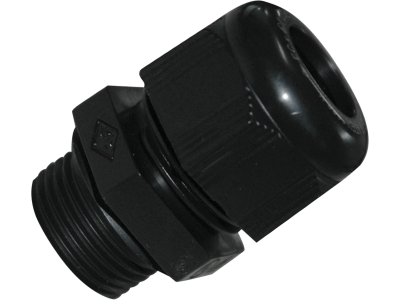
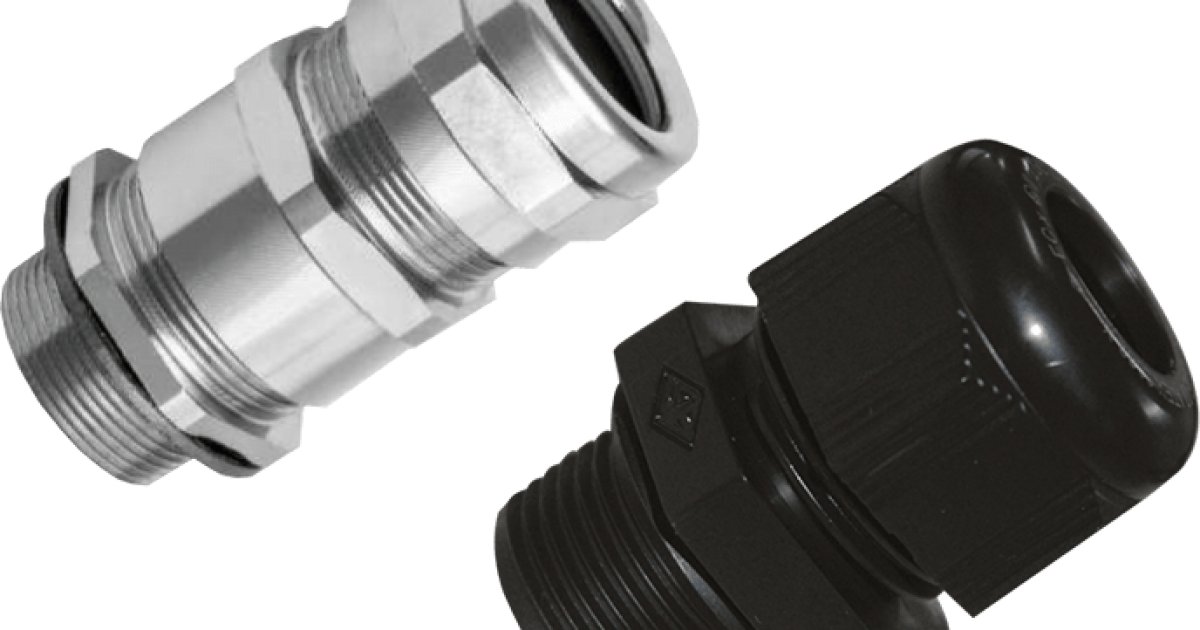
- Compatibility with certified ATEX cable glands
- Internal earth studs, bonding straps, and continuity plates
Proper earthing is critical in gas and dust environments, directly reducing ignition risk and supporting fault current dissipation.
Mechanical Strength & Impact Resistance
Hazardous environments are rarely gentle.
ATEX junction boxes are designed with:
- Defined impact resistance
- Robust wall thickness and enclosure design
- Resistance to vibration and accidental mechanical contact
Mechanical integrity preserves IP rating, explosion protection, and certification validity over the full service life.
Temperature Control & Thermal Performance
Surface temperature control is fundamental to ATEX compliance.
ATEX junction boxes are rated for:
- Defined ambient temperature ranges
- Internal heat dissipation limits
- Prevention of hot spots or ignition-capable surfaces
This ensures safe operation in environments with temperature variation, continuous duty cycles, or nearby heat sources.
Engineer-Focused Selection Guide
When specifying ATEX junction boxes, engineers should confirm:
- Hazardous zone rating (Zone 1, Zone 2, Zone 21, Zone 22)
- Protection concept (Ex e, Ex d, Ex tb / Ex tD)
- Enclosure material suited to corrosion and environment
- Ingress protection (minimum IP66)
- Cable entry method and gland compatibility
- Earthing provisions and internal layout
- Temperature class and ambient rating
- Complete certification and documentation
If any of these are unclear or missing, the enclosure should not be used in a hazardous area.
Certification, Compliance & Documentation
Infrastructure-grade ATEX junction boxes must include:
- Compliance with ATEX Directive 2014/34/EU
- Certification to IEC 60079 standards
- Clear markings and data plates
- Installation instructions and technical datasheets
Factory acceptance testing may be available for projects requiring additional verification.
Built for Long-Term Hazardous Area Safety
ATEX junction boxes are not generic enclosures. They are certified safety components designed to protect electrical systems in explosive atmospheres.
Specified correctly, they deliver mechanical integrity, controlled temperatures, certified protection concepts, and long-term compliance—supporting safe operation in the world’s most demanding industrial environments.
If a junction box lacks clear ATEX certification, IP rating, temperature data, or proper earthing provisions, it doesn’t belong in a hazardous area.