
AS 4024 Interlock Upgrades
keshav2026-02-13T15:57:58+10:00Interlock System Safety Upgrades
AS 4024 Interlock System Safety Upgrades
AS 4024–compliant interlock system safety upgrades addressing unsafe access, bypassed interlocks, and machine control non-compliance.
AS 4024 Compliant Interlock System Safety Upgrades
When access control no longer matches machine behaviour, the interlock system becomes a liability rather than a safeguard.
Interlock systems are often installed early in a machine’s life and then left unchanged while operating modes, guarding layouts, and control systems evolve around them. In Australian industrial environments, this creates a recurring machine safety issue: the interlocking system still exists, but the safety function it provides no longer achieves the intended risk reduction defined by current Australian Standards.
AS 4024–compliant interlock safety upgrades focus on restoring effective, verifiable control of access to hazards as part of the broader Safety of Machinery framework. These upgrades are typically retrofit-based and must integrate with existing machine guarding, emergency stop functions, electrical equipment, and industrial automation systems without introducing unnecessary complexity or production downtime.
Common Safety Risks In Interlock Systems
Interlock systems form a critical layer of machine guarding between operators and hazardous machinery. During formal risk assessments and safety assessments, the following risks are commonly identified:
- Interlocking devices that can be easily defeated or bypassed during normal operation
- Guard doors fitted with interlocks that do not reliably stop hazardous motion
- Interlocked guards wired into standard control circuits instead of safety control systems
- Interlocking systems that do not detect single faults within safety-related parts
- Inadequate safety distances caused by plant modifications or guarding changes
- Interlock faults not detected, monitored, or annunciated by the control system
- Poor coordination between emergency stop controls and interlocking devices
These issues are common in legacy installations where interlocks were added incrementally without revisiting the guarding hierarchy or overall machine safety strategy.
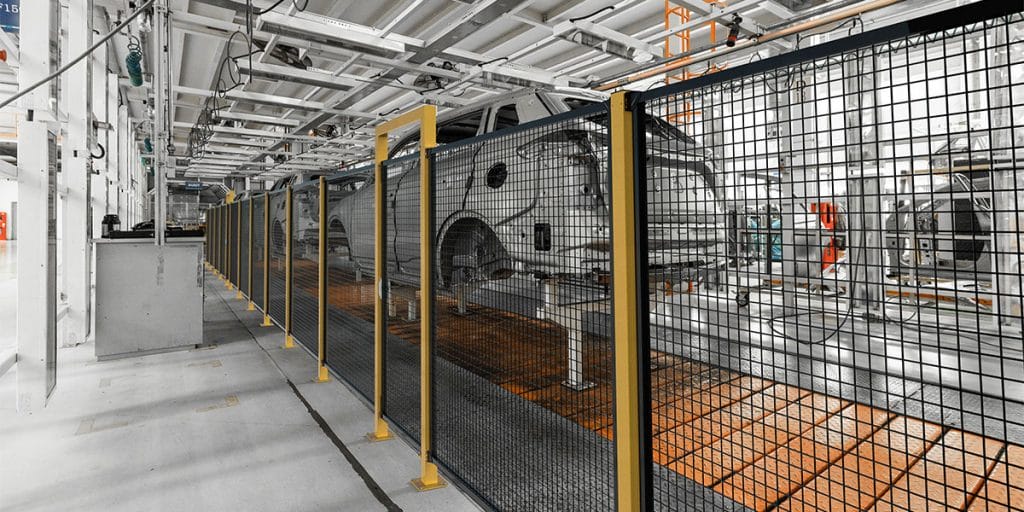
Why Older Interlock Sytstems Fail AS 4024 Compliance
Many interlock systems in service today were implemented under earlier machinery safety standards or without alignment to the current AS/NZS 4024:2019 Series. Typical non-compliances include:
- Safety interlocking designed without a documented risk management process
- Interlocking systems that no longer meet current machinery safety standard expectations
- Lack of validation against modern safety categories and fault tolerance requirements
- Control system upgrades performed without reassessing interlock safety functions
- Electrical modifications not reviewed against IEC 60204-1:2016 and Australian Standards
- Interlocking systems implemented independently of emergency stop and machine guarding upgrades
As machinery becomes more interconnected through industrial automation and shared control systems, these gaps increase exposure to unsafe access and uncontrolled restart conditions.
Typical Safety Upgrades For Interlock Systems
Interlock system safety upgrades aim to improve reliability, diagnostics, and risk reduction without unnecessary replacement of mechanical guarding. Retrofit solutions are selected based on hazard severity, access frequency, and required safety performance.
Typical upgrade measures include:
- Reconfiguring interlocking systems to comply with current AS 4024 requirements
- Upgrading interlocked guards to achieve monitored fault detection
- Integrating presence sensing systems, safety scanners, or pressure mats where fixed guards are impractical
- Ensuring consistent interaction between interlock guards and emergency stop systems
- Aligning guarding layouts with required safety distances

Safety PLC Integration
Legacy interlock systems frequently rely on hardwired logic or standard PLC control that no longer meets modern safety requirements. Safety PLC integration is often required to achieve compliance and support validation.
This typically includes:
- Migrating interlock logic into a safety PLC architecture
- Separating safety interlocking from standard control system logic
- Monitoring safety-related parts for faults and discrepancies
- Coordinating interlocks with emergency stop functions and other safety control systems
- Supporting validation against AS 4024 and applicable international standards such as ISO 13849
Safety PLC integration also simplifies future modifications and reduces reliance on ad-hoc electrical changes.

Our Approach To Interlock System Safety Retrofits
Interlock system safety retrofits begin with a structured risk assessment aligned with the AS/NZS 4024:2019 Series and relevant Australian Standards. This includes hazard identification, evaluation of existing interlocking devices, and review of machine guarding effectiveness.
Retrofit designs consider electrical infrastructure, control system architecture, and integration with emergency stop systems. All upgrades are documented and validated to demonstrate compliance with machinery safety requirements and applicable workplace regulations under the Work Health and Safety Act.
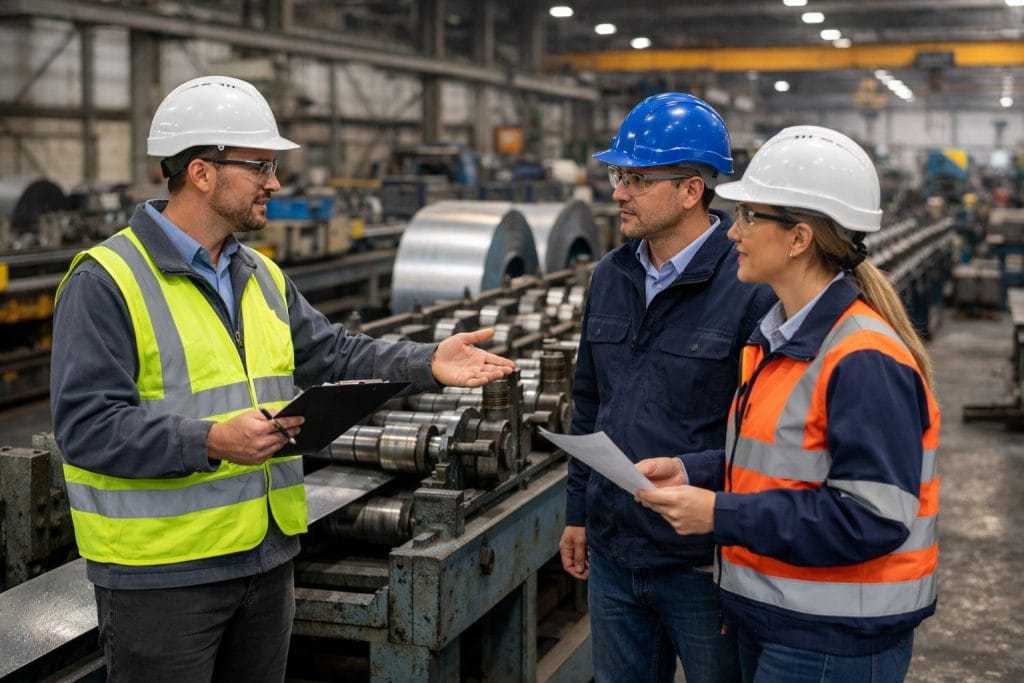
Ready To Review Your AS 4024 Interlock System Design Compliance?
When To Upgrade Or Replace An Interlock System
Upgrading an interlock system is typically appropriate when guarding structures remain mechanically sound and access control can be improved through control system changes. Full replacement may be necessary where:
- Existing interlocking systems cannot achieve required safety categories
- Guard designs prevent compliant interlocking or fault monitoring
- Control systems cannot support safety PLC integration
- Required risk reduction cannot be achieved without redesigning guarding
In many Australian facilities, targeted interlock system safety upgrades deliver a compliant outcome without the cost and disruption of full system replacement.

Related Safety Upgrade Solutions
Interlock upgrades rarely stand alone. In most projects, AS 4024 compliance is achieved by aligning multiple safety functions so they operate as a single, coherent system rather than isolated safeguards.
Commonly associated safety upgrade scopes include:
Emergency stop system upgrades to ensure deterministic stop behaviour
Machine guarding and safety distance upgrades aligned with access risks
Safety PLC and safety-related control system upgrades for fault detection and validation
Integrated Safety of Machinery risk assessment, validation, and verification
Treating these elements together reduces rework, avoids compliance gaps, and delivers a safety outcome that remains robust as machines and operations change.
Machine Types We Upgrade Under AS 4024
We also provide machine-specific upgrade solutions across the following machines:
Next Step
If you are reviewing emergency stop compliance, responding to audit findings, or planning a safety system upgrade, contact us to discuss your application. We can assist with risk assessment, emergency stop redesign, and validation aligned with AS 4024 and Australian regulatory requirements.
Subscribe Our Newsletters
Get all the latest information on Events, Sales and Offers.