
AS 4024 Safety PLC Upgrades
keshav2026-02-16T08:12:39+10:00Safety PLC Upgrades
AS 4024 Safety PLC Upgrades
AS 4024–compliant safety PLC upgrades for emergency stops, interlocks, and machine guarding.
AS 4024 Compliant Safety PLC Upgrades
If a safety PLC program has not been revisited since the last machine modification, it is no longer a safety reference point—it is an assumption.
Across Australian industrial environments, safety PLCs are often retained through multiple machine modifications, automation upgrades, and control system changes. Over time, this erodes alignment with the AS 4024 Safety of Machinery framework and compromises the intended safety lifecycle of the machine.
AS 4024-compliant safety PLC upgrades focus on restoring functional safety integrity across emergency stop systems, interlocks, and guarding interfaces while maintaining compatibility with existing electrical equipment and industrial automation platforms.
Common Safety Risks In Safety PLCs
Machine safety risk assessments frequently identify safety PLC–related hazards that arise from incremental change rather than original design flaws. Typical safety risks include:
- Safety logic that no longer reflects current machine operating modes or access conditions
- Emergency stop functions partially implemented outside the safety control system
- Interlocks and safety guards monitored inconsistently or via standard control logic
- Degraded diagnostic coverage across safety inputs, outputs, and safety circuits
- Safety features altered during maintenance or fault resolution without revalidation
- Inadequate fault detection within functional safety systems
- Safety PLC programs no longer aligned with documented safety protocols or risk reduction objectives
These conditions undermine machine safety and weaken traceability against AS 4024 safety requirements.
Why Older Safety PLCs Fail AS 4024 Compliance
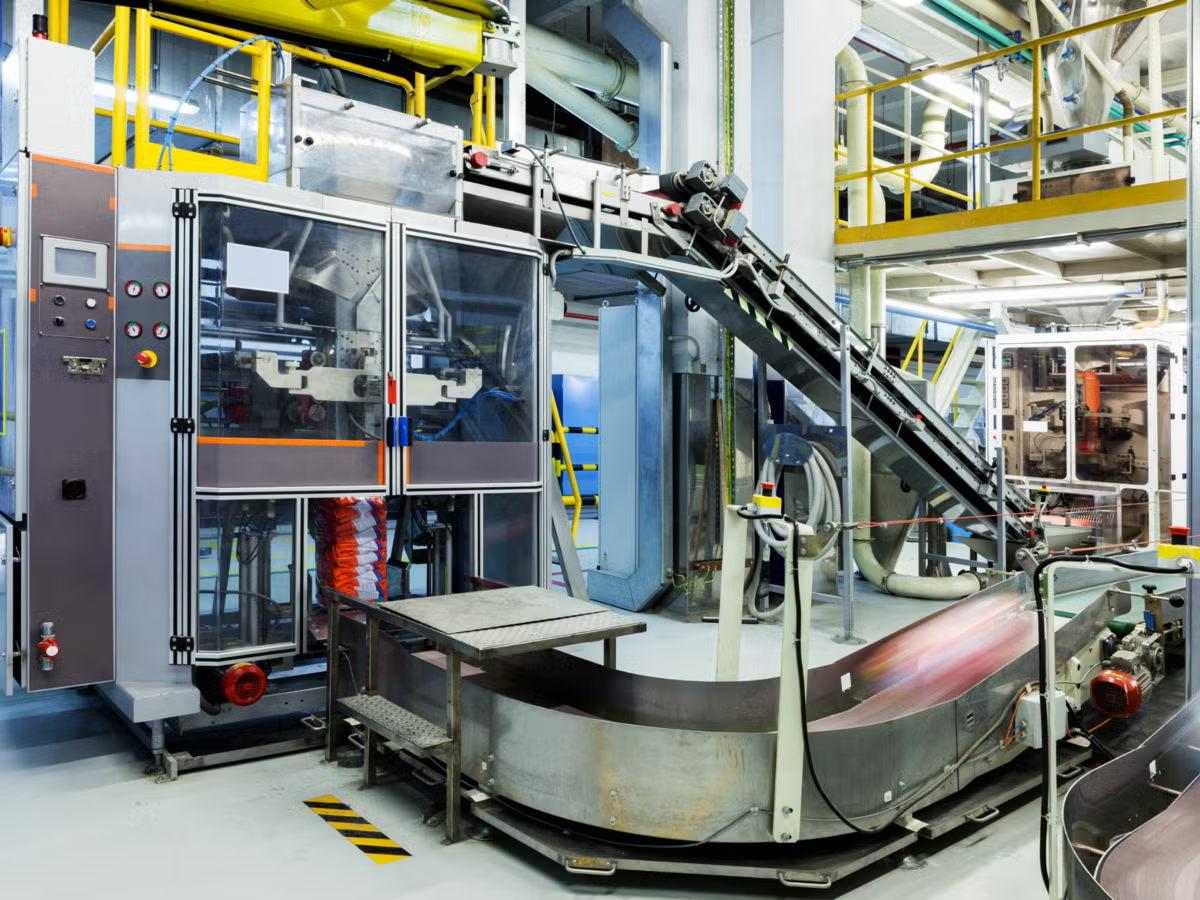
Many safety PLC installations were commissioned before the current AS/NZS 4024:2019 Series or prior to modern functional safety assessment practices. Common compliance gaps include:
- Safety PLC architectures developed without a formal Machine Safety Risk Assessment
- Safety logic that no longer meets current safety requirements following plant changes
- Absence of functional safety assessments and safety lifecycle documentation
- Electrical modifications not reviewed against Australian Standards or IEC 60204-1
- Safety hardware reused without verification of continued suitability
- Incomplete validation of emergency stop behaviour and restart conditions
As machines evolve through automation upgrades and production changes, these shortcomings increase exposure to uncontrolled restart and unsafe access.
Typical Safety Upgrades For Safety PLCs
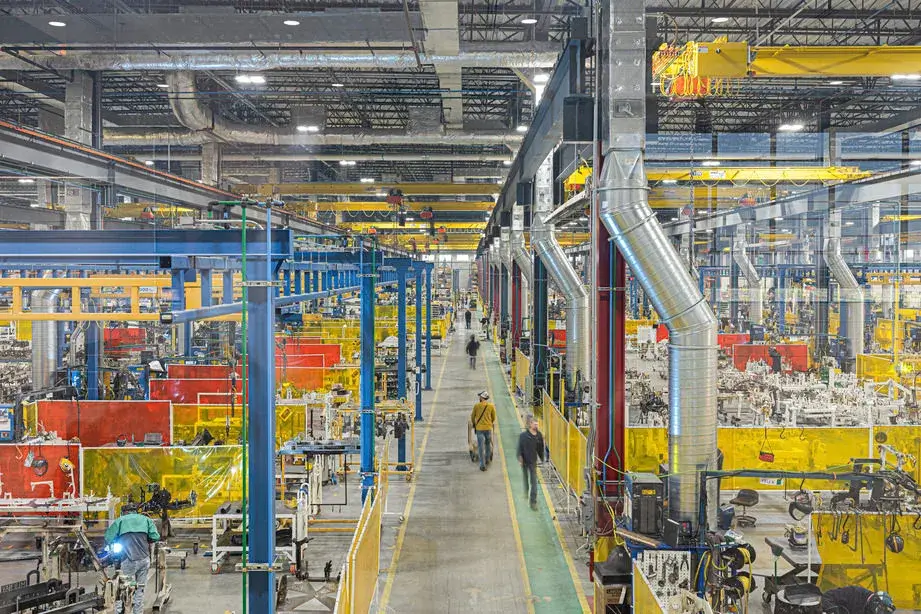
Safety PLC upgrades are typically retrofit-based and aim to restore compliance, improve diagnostics, and support long-term operational safety without unnecessary replacement.
Common upgrade measures include:
- Re-engineering safety logic to align with current AS 4024 risk assessments
- Migrating emergency stop, guard interlock, and safety light curtain functions fully into the safety PLC
- Improving monitoring of safety guards, interlocking devices, and safety circuits
- Enhancing diagnostic coverage across safety inputs and outputs
- Separating safety logic from standard control system programming
- Aligning safety response times with required safety distances and stopping performance
Where required, upgrades are coordinated with machine guarding improvements to ensure consistent risk reduction.
Our Approach To Safety PLC Retrofits
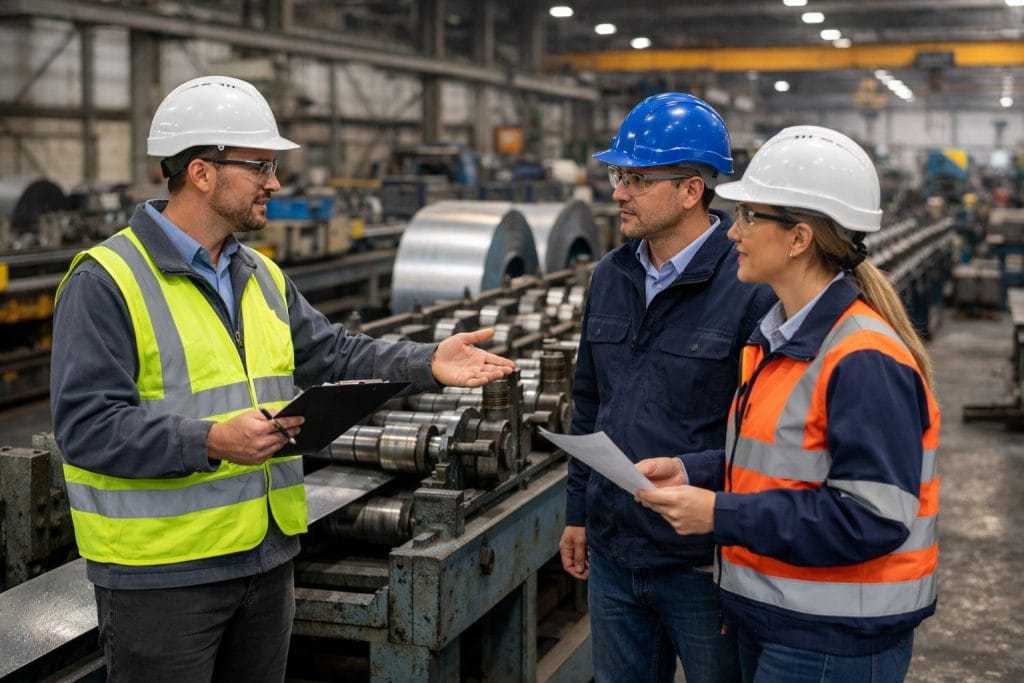
Safety PLC retrofits begin with a structured Safety of Machinery review aligned with the AS/NZS 4024:2019 Series. This includes:
- Hazard identification and review of existing safety measures
- Machine Safety Risk Assessment and evaluation of current safety PLC logic
- Assessment of emergency stop systems, interlocks, and guarding interfaces
- Verification of safety lifecycle assumptions against actual machine operation
- Functional safety validation and preparation of functional safety reports
Retrofit designs account for electrical equipment, control system architecture, and interaction with industrial automation systems to ensure upgrades are robust and production-ready.
Ready to review your AS 4024 emergency stop design compliance?
When To Upgrade Or Replace A Safety PLC
Upgrading a safety PLC is typically appropriate where the existing platform can still support required functional safety performance. Replacement may be required where:
- The safety PLC cannot achieve required diagnostic coverage or fault tolerance
- Hardware limitations prevent compliance with current safety requirements
- Control system constraints prevent separation of safety and standard logic
- Functional safety validation cannot be achieved without fundamental redesign
In many Australian facilities, targeted safety PLC upgrades achieve compliance without the downtime and cost of full replacement.

Related safety upgrade solutions
Safety PLC upgrades are most effective when delivered as part of a coordinated safety system upgrade rather than as isolated control changes. In practice, AS 4024 compliance is achieved by aligning multiple safety functions so they operate together within a single, verifiable safety architecture.
Related safety upgrade scopes commonly include:
Emergency stop system safety upgrades to ensure deterministic stopping behaviour across all operating modes
Interlock and machine guarding upgrades aligned with access risks and required safety distances
Machine Safety Risk Assessments, validation, and verification to confirm required risk reduction has been achieved
Integrated safety control system upgrades to maintain separation between safety-related and standard control functions
Treating these elements as a unified scope reduces rework, avoids compliance gaps between safety functions, and delivers a safety outcome that remains robust as machinery, automation, and operating requirements evolve.
Machine Types We Upgrade Under AS 4024
We also provide machine-specific upgrade solutions across the following machines:
Next Step
If you are reviewing emergency stop compliance, responding to audit findings, or planning a safety system upgrade, contact us to discuss your application. We can assist with risk assessment, emergency stop redesign, and validation aligned with AS 4024 and Australian regulatory requirements.
Subscribe Our Newsletters
Get all the latest information on Events, Sales and Offers.